How I Fixed My Daily Struggles with Simple Chinese Wellness Habits
For years, I felt constantly drained—tired in the morning, sluggish after meals, and never quite *right*. I tried quick fixes, but nothing lasted. Then I discovered Chinese wellness principles, not as a cure, but as a system to upgrade how I live. It’s not about drastic changes. It’s small, consistent shifts in eating, moving, and resting. This isn’t magic—it’s balance. And honestly? My energy, mood, and focus have never been better. Let me share how this quiet transformation changed my everyday life.
The Hidden Imbalance: Why Modern Life Disrupts Natural Rhythm
Many women between 30 and 55 carry the weight of daily responsibilities—managing households, caring for children or aging parents, and often balancing careers. With so much on their plates, personal well-being tends to fall by the wayside. Common symptoms like fatigue, bloating, trouble sleeping, or frequent irritability are often dismissed as 'just part of getting older' or 'the price of being busy.' But in the framework of Traditional Chinese wellness, these are not random inconveniences. They are signals of imbalance—signs that the body’s vital energy, known as Qi (pronounced 'chee'), is blocked, depleted, or out of harmony.
Modern life moves at a pace that often contradicts the body’s natural rhythms. We wake to alarms, not sunlight. We eat on the go, not in stillness. We work late into the night, ignoring the body’s call for rest. This constant push against our internal clock disrupts the smooth flow of Qi, particularly affecting the liver, spleen, and heart—organs central to emotional regulation, digestion, and circulation in Chinese theory. Unlike Western medicine, which often targets symptoms, Chinese wellness focuses on root patterns. It asks not 'What’s wrong?' but 'Why is this happening?' The goal is not to suppress discomfort but to understand and correct the underlying disharmony.
For instance, chronic fatigue may not simply mean 'not enough sleep' but could point to a spleen Qi deficiency—where the body struggles to convert food into usable energy. Similarly, irritability and trouble falling asleep may reflect liver Qi stagnation, often tied to stress and emotional suppression. Recognizing these patterns allows for a more compassionate, long-term approach. Instead of reaching for caffeine or sleep aids, the focus shifts to gentle, daily habits that support the body’s natural ability to restore balance. This systemic view transforms wellness from a series of isolated fixes into a cohesive, sustainable lifestyle.
Food as Daily Medicine: Eating with the Seasons and Body Type
In Traditional Chinese wellness, food is not just fuel—it is medicine. Every bite has the potential to either support or disrupt the body’s balance. Unlike calorie-counting or restrictive diets, this approach emphasizes how food is prepared, when it’s eaten, and how it interacts with individual constitution and the environment. One of the most impactful shifts I made was moving away from raw, cold foods—especially in the morning—and embracing warm, cooked meals. According to Chinese theory, the digestive system functions like a gentle fire. Cold foods, such as smoothies or raw salads, require extra energy to 'warm up' before digestion can begin, which can weaken the spleen Qi over time.
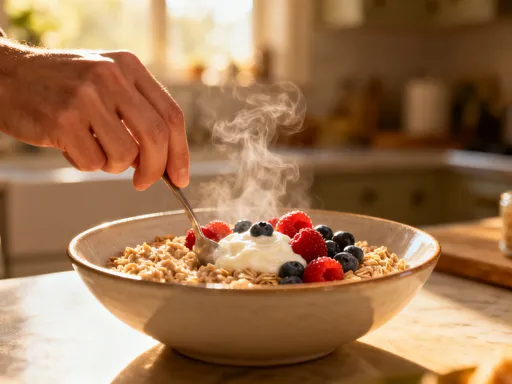
Instead, I began starting my day with warm congee—a simple rice porridge—often with a pinch of ginger or a boiled egg. This small change made a noticeable difference in my digestion and energy levels. The principle here is not about strict rules but about working with the body’s needs. For example, during colder months, warming foods like soups, stews, and root vegetables are encouraged, while in summer, lightly cooked or room-temperature foods help the body stay cool. This seasonal eating aligns with nature’s rhythm and supports the body’s ability to adapt.
Another key concept is the balance of the five flavors: sweet, sour, bitter, pungent (spicy), and salty. Each flavor corresponds to a different organ system and has a specific effect on the body. Too much sweet, for instance, can burden the spleen, while excessive pungent flavors can overstimulate the liver. The goal is not elimination but moderation and awareness. A simple practice is to include a small amount of each flavor in meals—not all at once, but throughout the day. This encourages variety and prevents any one organ system from becoming overtaxed.
Listening to hunger cues is equally important. In Chinese wellness, overeating—even healthy food—can create 'dampness' or 'stagnation,' leading to bloating, fatigue, and brain fog. I learned to eat until I was about 70% full, a practice known as 'leaving space for Qi.' This not only improved digestion but also helped me tune into my body’s true needs. Over time, food became less of a habit or emotional crutch and more of a conscious, nurturing act. These changes didn’t require expensive ingredients or complicated recipes—just attention, warmth, and timing.
Morning Rituals That Stick: Building a Sustainable Start
How we begin the day often sets the tone for everything that follows. Yet, many women rush from bed to tasks, skipping self-care entirely. In Chinese wellness, the early morning—particularly between 5 and 7 a.m.—is governed by the large intestine, a time associated with elimination and release. Supporting this natural process helps clear physical and mental 'waste,' making room for new energy. I started by simply drinking a cup of warm water upon waking, sometimes with a slice of lemon or a small piece of ginger. This gentle act stimulates digestion, hydrates the body, and signals the system to awaken—without the jolt of caffeine.
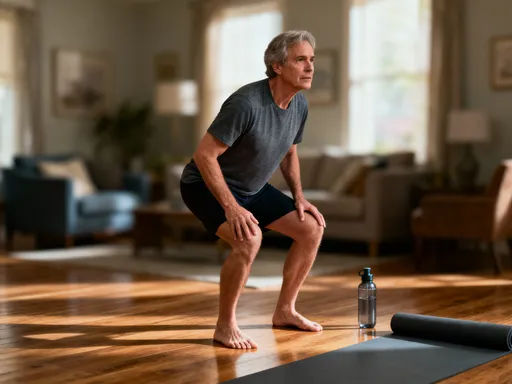
Next, I incorporated five to ten minutes of light movement. This isn’t about intense exercise but about encouraging Qi to flow. I began with simple stretches—reaching the arms overhead, gentle twists, and neck rolls—movements that feel nourishing rather than draining. Sometimes, I practiced a few slow, deep breaths, inhaling through the nose and exhaling through the mouth, focusing on expanding the lower abdomen. This type of diaphragmatic breathing activates the parasympathetic nervous system, reducing stress and improving oxygen flow.
The key to making these rituals last was simplicity and consistency. I didn’t aim for perfection. On busy mornings, even one minute of deep breathing or a single glass of warm water counted as success. Over time, these small actions became automatic, like brushing my teeth. The cumulative effect was profound: I felt more grounded, alert, and less reactive to daily stressors. By honoring the body’s natural rhythms—waking with light, hydrating with warmth, and moving gently—I created a foundation for sustained energy throughout the day.
Energy Flow Matters: Gentle Movement and Body Awareness
Physical activity in Chinese wellness is less about burning calories and more about promoting the smooth flow of Qi and blood. Stagnation—whether physical, emotional, or energetic—is seen as a root cause of discomfort and disease. But this doesn’t mean hours at the gym. In fact, overexertion can deplete Qi, especially in those already fatigued. The focus is on gentle, mindful movement that nourishes rather than depletes.
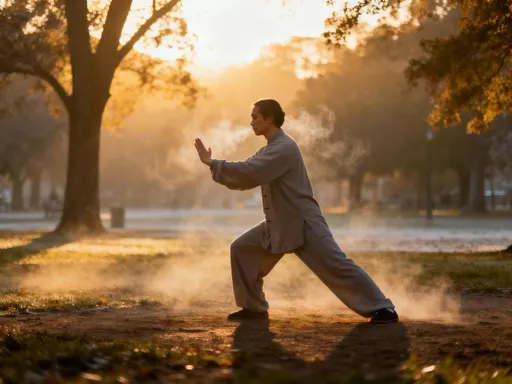
I found that short sessions of Tai Chi-inspired stretches were ideal. These slow, flowing movements improve balance, flexibility, and circulation while calming the mind. For example, the 'Wave Hands Like Clouds' motion involves shifting weight from one foot to the other while arms drift side to side, promoting coordination and relaxation. Even five minutes a day made a difference in how I felt. Similarly, Qigong—a practice combining breath, movement, and intention—helped me reconnect with my body in a way that felt restorative, not exhausting.
Another powerful tool was self-massage, or *anmo*. I learned to gently tap along the sides of my legs (the gallbladder meridian), rub the soles of my feet (where many reflex points connect to organs), or massage my scalp to relieve tension. These practices take only minutes and can be done at home, in the office, or even while watching TV. They bring awareness to areas of tightness and encourage circulation, reducing the 'stuck' feeling that often accompanies stress.
The most important lesson was that movement doesn’t have to be formal. Taking a short walk after meals, stretching during phone calls, or standing up to roll the shoulders every hour—all of these small actions support energy flow. The goal is not to achieve a certain fitness level but to remain dynamic and present in the body. Over time, I noticed fewer aches, better sleep, and a greater sense of ease in daily life. Movement became less of a chore and more of a daily conversation with my body.
Rest That Recharges: Sleep and Emotional Balance in Chinese View
Sleep is not just physical rest—it is a time of internal repair and emotional processing. In Chinese wellness, the hours between 11 p.m. and 1 a.m. are governed by the gallbladder, a time for decision-making and courage, while 1 a.m. to 3 a.m. is ruled by the liver, which is responsible for detoxification and emotional regulation. Waking during these times, especially between 1 and 3 a.m., is often linked to liver Qi stagnation, frequently tied to unresolved stress, frustration, or overthinking.
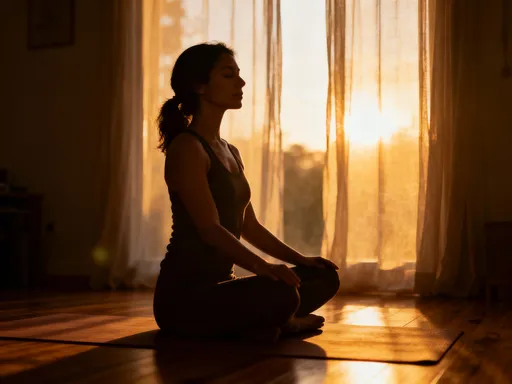
To support deeper rest, I began creating a wind-down routine an hour before bed. This included turning off screens, dimming the lights, and engaging in quiet activities like reading, light stretching, or sipping a warm, caffeine-free tea. I found that blends with chamomile, passionflower, or a small amount of dried jujube date supported relaxation without drowsiness. The goal was not just to fall asleep but to transition smoothly into rest, signaling to the body that it was safe to let go.
Emotional balance is deeply tied to sleep quality. In Chinese theory, the liver stores the 'ethereal soul' (*hun*) and governs the smooth flow of emotions. When liver Qi is stagnant, emotions like anger, irritability, or sadness can surface, especially at night. Rather than suppressing these feelings, I learned to acknowledge them through journaling or quiet reflection. This didn’t mean dwelling on problems but creating space to process them, reducing their hold on my nervous system.
Consistency in bedtime also mattered. Going to bed and waking at roughly the same time—even on weekends—helped regulate my internal clock and strengthen my Qi. Over time, I noticed not only better sleep but also improved mood and clarity during the day. Rest became an act of self-respect, not a luxury. By honoring the body’s need for stillness, I created space for emotional resilience and physical renewal.
Daily Habits, Lasting Shifts: The Power of Consistency Over Perfection
One of the most liberating realizations was that wellness doesn’t require perfection. In fact, striving for flawless habits often leads to burnout and guilt. Chinese wellness emphasizes rhythm and repetition, not intensity. The idea is not to do everything perfectly but to do small things consistently. This is where habit stacking—the practice of linking a new behavior to an existing one—became invaluable. For example, I paired drinking warm water with brushing my teeth, or added three deep breaths after washing my face in the morning.
Environmental cues also played a role. I kept a thermos of warm water on my desk, placed my stretching mat near my bed, and set a gentle reminder on my phone to pause and breathe every few hours. These small supports made it easier to maintain new habits without relying solely on willpower. When I missed a day—which I often did—I learned to respond with compassion, not criticism. Setbacks are not failures but feedback. They offer insight into what might be out of balance, whether it’s too much stress, poor sleep, or unrealistic expectations.
Over months, these micro-habits compounded. Warming my meals improved digestion. Gentle movement reduced stiffness. Better sleep enhanced mood. None of these changes were dramatic on their own, but together, they created a new baseline of well-being. The focus shifted from fixing problems to cultivating resilience. I no longer waited to feel 'bad' to take action. Instead, I built a lifestyle that supported my body every day, quietly and steadily.
Living Well, Not Perfectly: A Balanced Approach to Long-Term Vitality
True wellness is not a destination but a way of moving through life—with awareness, kindness, and adaptability. The principles of Chinese wellness don’t offer quick fixes or rigid rules. Instead, they invite observation, experimentation, and personalization. What works for one person may not work for another, and that’s okay. The body is always communicating, and the most powerful tool is attention—listening to its signals and responding with care.
I encourage anyone exploring these practices to start small, stay curious, and be patient. Try warming your meals for a week. Notice how you feel. Experiment with a five-minute morning stretch. See if it changes your energy. Keep a simple journal to track patterns. There is no single 'right' way, only what supports your unique rhythm. Wellness is not about adding more to your to-do list but about aligning your daily choices with your body’s innate wisdom.
Finally, it’s important to recognize that lifestyle habits complement, but do not replace, professional medical care. If you have ongoing health concerns, always consult a licensed healthcare provider. The practices shared here are based on traditional principles and general wellness patterns, not medical treatment. They are meant to support overall vitality, not diagnose or cure any condition.
In the end, the most profound changes came not from grand gestures but from daily acts of presence. Warming my breakfast. Pausing to breathe. Choosing rest over guilt. These small choices, made again and again, rebuilt my energy, clarity, and sense of calm. Wellness, I’ve learned, is not something to achieve. It’s something to live—quietly, consistently, and with intention.