Lost in Frankfurt’s Rhythm: How to Feel the City Like a Local
Ever wondered what makes Frankfurt more than just a financial hub? It’s not just about skyscrapers and trains—this city pulses with culture, flavor, and unexpected charm. From hidden riverside spots to authentic markets, I’ll show you how to unlock experiences most tourists miss. This isn’t a checklist—it’s a real traveler’s guide to feeling Frankfurt, not just seeing it. Beyond the global image of banks and business, lies a city rich in tradition, green oases, and warm local rhythms. When you shift your gaze from the stock exchange to the cobblestone lanes and neighborhood cider houses, Frankfurt reveals a soul that’s both grounded and quietly vibrant. This journey is about presence, connection, and discovering the subtle magic of everyday life in one of Germany’s most misunderstood cities.
Look Beyond the Skyline: Rethinking Frankfurt’s Identity
Frankfurt is often reduced to a single image: a forest of glass towers rising above the Main River, home to the European Central Bank and Germany’s busiest train station. While these landmarks are real, they represent only one layer of a much more complex urban identity. To truly understand Frankfurt, one must look beyond the financial district and recognize the city as a living, breathing blend of history, resilience, and cultural fusion. The skyline tells a story of postwar reconstruction and economic ambition, but the neighborhoods tell a deeper, more personal story—one of family-run shops, riverside promenades, and centuries-old traditions that have survived modernization.
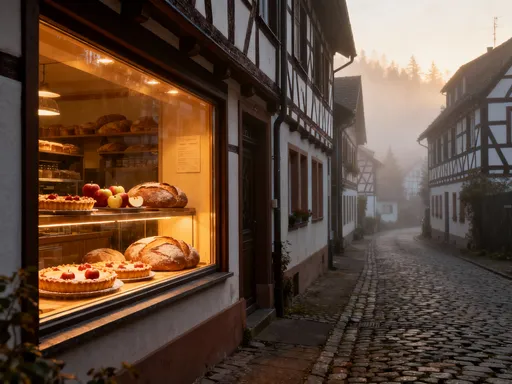
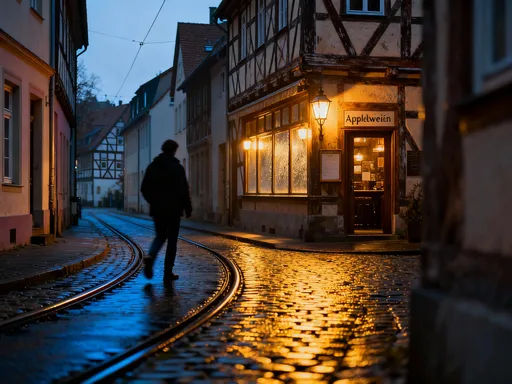
Start in Alt-Sachsenhausen, a district that predates the city’s financial rise by hundreds of years. Here, half-timbered houses line narrow streets, and the scent of roasting chestnuts drifts through the air in autumn. This is where locals gather not for business meetings, but for Apfelwein and hearty meals in centuries-old taverns. The rhythm here is slower, more deliberate. Children play near the riverbank while grandparents sip wine at outdoor tables. This contrast—between the fast-paced energy of the banking quarter and the grounded warmth of the old town—is not a contradiction, but a harmony. Frankfurt’s dual nature is what makes it unique among European cities: it is both a global hub and a place deeply rooted in regional identity.
Equally important are the city’s green spaces, which offer a counterbalance to the urban intensity. The Palmengarten, one of Germany’s oldest botanical gardens, spans over 50 acres and features everything from tropical greenhouses to tranquil Japanese gardens. It’s not a tourist attraction in the traditional sense—few visitors rush here with cameras—but it’s a favorite among residents seeking peace and beauty. Similarly, the banks of the River Main are lined with walking paths, bike trails, and grassy areas where families picnic on weekends. These spaces are not afterthoughts; they are essential to the city’s character. By spending time in them, travelers begin to see Frankfurt not as a place of transactions, but as a place of life.
Mastering the Art of Slow Exploration: Walk Like You Have Time
In a city known for efficiency and punctuality, the idea of walking without a destination may seem counterintuitive. Yet, some of the most meaningful experiences in Frankfurt come not from ticking off landmarks, but from allowing yourself to wander. The act of walking slowly—observing details, pausing at unexpected sights, listening to the hum of daily life—transforms a visit from a sightseeing tour into a sensory immersion. This kind of travel requires no special skills, only the willingness to be present.
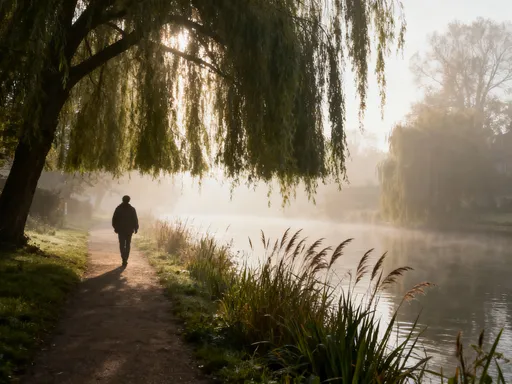
Begin near the Eiserner Steg, the iconic iron footbridge that connects the city center to the southern bank of the Main. From here, instead of heading straight to the museums or shopping streets, turn left and follow the river eastward. The path winds past houseboats with flower-filled decks, small parks where dogs chase balls, and quiet benches shaded by willow trees. Along the way, you’ll notice how the city’s architecture shifts—from modern apartment complexes to restored 19th-century villas. The sounds change too: the distant rumble of trains gives way to birdsong and the gentle lap of water against the shore.
As you walk, pay attention to the small details. A chalk drawing on the pavement made by a child. A couple sharing a sandwich on a bench. The reflection of the skyline shimmering in the river at sunset. These moments don’t appear on maps, but they are central to the city’s rhythm. If you continue far enough, you might reach the quieter districts of Schwanheim or Niederrad, where life unfolds at a different pace. People greet each other by name, shop at local bakeries, and gather in neighborhood parks. There’s no pressure to perform or impress—just the quiet satisfaction of belonging.
Walking with intention also means allowing for detours. If you see a small courtyard tucked between buildings, step inside. If a street musician begins to play, stop and listen. These unplanned moments often become the most memorable. The key is to resist the urge to document everything. Instead of reaching for your phone every few minutes, let your senses absorb the experience. Feel the sun on your skin, smell the damp earth after a light rain, taste the crisp air. When you travel slowly, Frankfurt stops being a destination and starts feeling like a place you’ve known all along.
Time Your Visit Right: Seasonal Secrets That Change Everything
Frankfurt’s character shifts dramatically with the seasons, and choosing the right time to visit can make the difference between a pleasant trip and a truly transformative one. While the city is accessible year-round, each season offers a distinct atmosphere, set of events, and sensory experience. Understanding these rhythms allows travelers to align their visit with their personal preferences—whether that’s vibrant festivals, quiet strolls, or culinary delights.
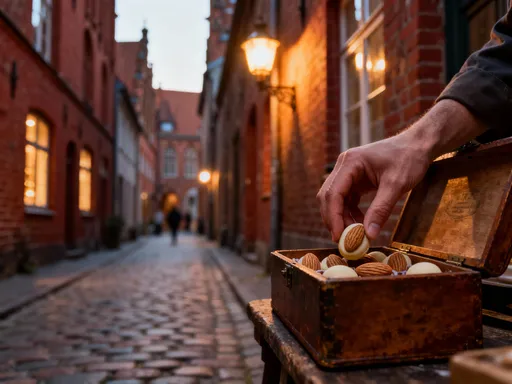
Winter in Frankfurt is defined by its world-famous Christmas market, held in the reconstructed Römerberg square. With over 150 wooden stalls selling handmade ornaments, mulled wine, and roasted almonds, the market draws visitors from across Europe. The city is lit with thousands of twinkling lights, and the air carries the scent of cinnamon and pine. For many, this is the most magical time to visit. However, it also brings large crowds and colder temperatures, which may not suit every traveler. If you prefer a cozier, more intimate experience, consider visiting in late November, just as the market opens, or in early January, when the lights are still up but the crowds have thinned.
Spring, particularly April and May, offers mild weather and blooming greenery. The parks come alive with cherry blossoms, daffodils, and children flying kites. This is an ideal time for long walks along the Main or through the Botanical Garden. The city feels refreshed, and locals begin to spend more time outdoors. Cafés set up sidewalk seating, and the first outdoor markets of the year open in neighborhoods like Bornheim and Westend. The pace is relaxed, the light is soft, and there’s a sense of renewal in the air.
Summer brings warmth and energy, especially during the Museumsuferfest, a three-day festival held every August along the riverbank. Dozens of museums open their doors late into the night, while food stalls, live music stages, and fireworks create a festive atmosphere. The streets buzz with activity, and the river becomes a hub for paddle boats and evening cruises. Every two years, the Luminale festival adds another dimension, transforming the city into an open-air gallery of light art. These events draw large crowds, but they also offer a rare chance to see Frankfurt at its most joyful and creative.
Autumn, especially September and October, is often overlooked but may be the most rewarding season. The weather remains pleasant, the parks are painted in gold and red, and the city settles into a comfortable rhythm after the summer rush. It’s the perfect time to explore indoor attractions like the Städel Museum or the Goethe House without long lines. Apfelwein season peaks during these months, and traditional cider houses serve warm dishes like Handkäse mit Musik (a local cheese with onion dressing) alongside freshly poured wine. By aligning your visit with the season that matches your temperament, you gain access to a more authentic, layered experience of Frankfurt.
Dive Into Local Food Culture: Beyond Pretzels and Sausage
Frankfurt’s culinary scene is often reduced to two icons: the Frankfurter Würstchen and the pretzel. While both are delicious, they represent only a small fraction of the city’s rich food culture. To eat like a local is to embrace variety, tradition, and the social rituals that surround meals. Food in Frankfurt is not just sustenance—it’s a way of connecting with people, history, and place.
At the heart of this culture is Apfelwein, the tart apple wine that has been produced in the region for centuries. Locals don’t drink it from bottles or glasses—they pour it from a Bembel, a gray ceramic jug, into a Geripptes, a ribbed glass that keeps the drink cold. The ritual matters as much as the taste. In traditional cider houses like Zur Krone or Kleinmarkthalle’s Weinstube, groups gather around wooden tables, sharing platters of hearty food and refilling each other’s glasses. The atmosphere is warm, unpretentious, and deeply communal. Ordering Apfelwein the local way—asking for a Viertel (quarter liter) or Halbe (half liter)—is a small act of cultural participation.
Equally important are the city’s markets, which serve as both food sources and social hubs. The Wochenmarkt at Bornheimer Markt is one of the largest and most diverse. Every Wednesday and Saturday, farmers, bakers, and artisans set up stalls offering fresh produce, regional cheeses, handmade pastries, and international specialties. It’s common to see elderly couples bargaining gently with vendors they’ve known for years, or young families sampling olives and honey. As a visitor, you’re welcome to explore, ask questions, and even try samples. Many vendors speak enough English to communicate basics, and smiles go a long way.
Pay attention to seasonal treats. In December, bakeries fill with Bethmännchen, marzipan cookies dusted with powdered sugar and decorated with three almond halves. In spring, fresh asparagus—especially white asparagus—is celebrated with special menus and festivals. Summer brings fresh berries, cherries, and chilled fruit soups. Even something as simple as a fresh-baked Brötchen from a neighborhood bakery can be a highlight when enjoyed with butter and jam on a quiet morning. By eating with awareness and curiosity, you don’t just taste Frankfurt—you begin to feel its daily rhythms.
Use Public Transit Like a Pro: The Key to Effortless Movement
Frankfurt’s public transportation system is one of the most efficient in Europe, yet it can feel overwhelming at first. With S-Bahn, U-Bahn, trams, and buses crisscrossing the city, knowing how to navigate the network is essential for a smooth and stress-free visit. The good news is that once you understand the basics, getting around becomes not just easy, but enjoyable. Public transit opens up access to neighborhoods, parks, and experiences that are often missed by those who rely solely on walking or taxis.
The backbone of the system is the S-Bahn, a rapid transit rail that connects the city center with suburbs and nearby towns. Lines are labeled S1 through S9 and color-coded for clarity. The U-Bahn, or underground, serves inner-city routes and operates more frequently during peak hours. Trams and buses fill in the gaps, especially in residential areas. All services are operated by the Rhein-Main-Verkehrsverbund (RMV), which means a single ticket is valid across all modes of transport within a given zone.
For most visitors, a day pass (Tageskarte) is the most practical option. It allows unlimited travel within Frankfurt’s central zones and is valid until 3 a.m. the next day. This freedom encourages exploration—why not take a spontaneous trip to Niddatal to walk through quiet forest trails, or to Kalbach to visit a local farmers’ market? The key is to plan ahead. Use the RMV app or website to check schedules, routes, and platform numbers. Stations are clearly marked with digital displays, but it’s helpful to know that S-Bahn trains depart from underground platforms in the Hauptbahnhof (main station), while trams run at street level.
Peak hours—typically 7–9 a.m. and 5–7 p.m.—can be crowded, especially on S-Bahn lines heading toward the financial district. If you prefer a more relaxed journey, travel outside these times. Always validate your ticket before boarding, as inspectors conduct random checks and fines for invalid tickets are steep. With a little practice, using public transit becomes second nature. More than that, it becomes a way to experience the city like a resident—moving seamlessly from one part of town to another, blending into the daily flow of life.
Choose Experiences Over Checklists: Curating Your Own Journey
In an age of curated travel lists and photo-centric itineraries, it’s easy to fall into the trap of trying to see everything. But the most meaningful travel moments often come not from visiting the top five attractions, but from choosing experiences that resonate personally. Frankfurt, with its mix of culture, nature, and local life, offers endless opportunities for this kind of intentional travel.
Consider skipping the observation deck at the Main Tower. While the view is impressive, it’s also crowded and fleeting. Instead, spend that hour sketching in the Palmengarten, where light filters through glass domes and exotic plants thrive in quiet corners. Or attend a small concert at Batschkapp, a legendary music venue that has hosted everything from punk bands to jazz ensembles. The acoustics may not be perfect, but the energy is real. Browse the shelves of a secondhand bookshop in Westend, where German literature shares space with vintage travel guides and old maps. These activities don’t come with official ratings, but they offer something more valuable: connection.
The goal is not to cover ground, but to deepen experience. If you love gardening, visit the Dottenfelderhof, an organic farm on the city’s edge that offers workshops and seasonal harvest events. If you’re drawn to art, explore the Schirn Kunsthalle or the Museum Angewandte Kunst, where rotating exhibitions showcase design, fashion, and contemporary creativity. If you enjoy quiet reflection, find a bench in the Japanese Garden within the Palmengarten and watch koi swim beneath a wooden bridge. These choices reflect who you are, not who travel guides tell you to be.
By curating your own journey, you create a narrative that feels authentic and personal. You remember not just what you saw, but how you felt. And in doing so, you move beyond tourism and into a more meaningful form of travel—one that leaves you changed, even if only slightly.
Stay Present, Not Perfect: The Mindset That Transforms Travel
The most powerful tool for experiencing Frankfurt—or any city—has nothing to do with maps, apps, or itineraries. It’s mindset. Travelers who approach the city with flexibility, curiosity, and openness often find that the best moments arise not from careful planning, but from unexpected turns. A missed connection on the S-Bahn might lead to a conversation with a local on a park bench. A sudden rainstorm could send you into a small café where the owner offers you a slice of homemade cake. These detours are not disruptions—they are invitations.
Being present means resisting the urge to document every moment. Put your phone away and simply observe. Watch how people interact, how light changes on the river, how the city sounds at different times of day. When you stop chasing the perfect photo or the ideal experience, you become available to the imperfect, fleeting, and often more beautiful moments that happen in between.
Curiosity is equally important. Ask questions. Try a dish you can’t pronounce. Smile at strangers. These small acts build bridges, even without fluent language. Locals appreciate the effort, and often respond with warmth and generosity. Openness, too, is a practice. Let go of expectations. If a museum is closed, find a park. If a train is delayed, treat it as a chance to rest. When you release the need for control, the city begins to reveal itself in its true form—not as a checklist, but as a living, breathing place full of quiet wonders.
Let Frankfurt Surprise You
Frankfurt does not announce its charms loudly. It doesn’t need to. Its beauty is in the details—the curve of a riverbank, the clink of a Geripptes glass, the way sunlight hits a half-timbered wall in the late afternoon. To experience this city fully is to slow down, to listen, and to allow yourself to be surprised. It’s about moving beyond the image of a financial powerhouse and discovering the human scale of daily life.
By walking with intention, eating with awareness, traveling with flexibility, and choosing connection over completion, you don’t just visit Frankfurt—you begin to feel it. The city’s rhythm becomes part of your own. You notice how locals greet each other, how they savor their coffee, how they care for their neighborhoods. These observations may seem small, but they add up to a deeper understanding.
In the end, the best travel experiences are not measured in landmarks seen or photos taken, but in moments of recognition—when a place feels familiar, even if you’ve never been there before. Frankfurt offers this quietly, without fanfare. It rewards those who look closely, who stay open, and who are willing to wander without a map. When you let go of perfection and embrace presence, the city reveals itself—not as a destination, but as a companion on your journey. And that’s when the real adventure begins.