Wandering Through Time: The Soul of Bukhara on Foot
Bukhara, Uzbekistan, isn’t just a city—it’s a living tapestry of history, where every cobblestone tells a story. Walking its ancient streets, I felt the pulse of Silk Road legends beneath my feet. From towering minarets to hidden courtyards, the city unfolds slowly, best discovered step by step. This is urban exploration at its most authentic—no rush, no filters, just raw, breathtaking beauty around every corner. For travelers seeking depth over spectacle, Bukhara offers a rare gift: the chance to move through time, not just space. And the only way to truly experience it is on foot.
First Steps in an Ancient City
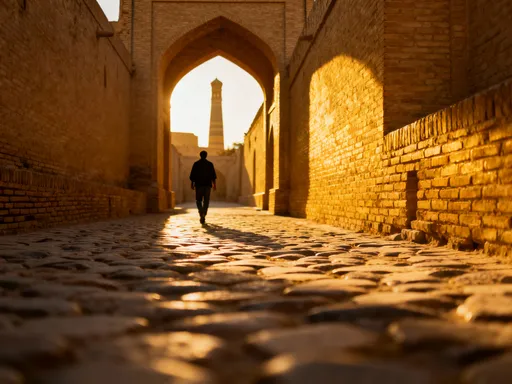
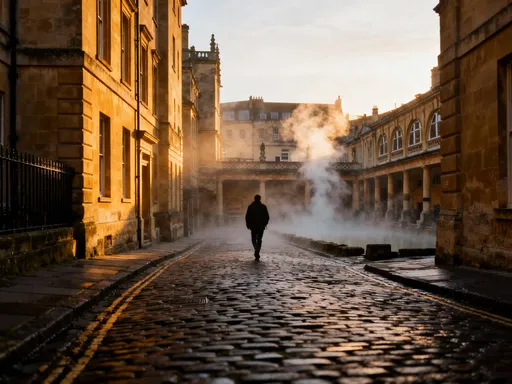
Entering the historic core of Bukhara feels like crossing a threshold not only into another place, but another era. As one of Central Asia’s oldest continuously inhabited cities, Bukhara thrived for over two millennia as a vital Silk Road crossroads, where caravans laden with spices, silk, and ideas paused beneath shaded arcades. Today, stepping into the old town, visitors are greeted by narrow, winding alleys paved with uneven stone, walls of sun-baked brick glowing amber in the morning light, and the distant echo of the Islamic call to prayer drifting from a minaret. There is no grand entrance—just a subtle shift in atmosphere, as if the modern world has been gently left behind.
Walking becomes the most natural and revealing way to engage with Bukhara. Unlike guided bus tours or hurried sightseeing, moving on foot allows travelers to attune themselves to the city’s rhythm. You notice the way shadows stretch across courtyards in the late afternoon, how sunlight filters through latticed wooden windows, and the faint scent of saffron and cumin wafting from open kitchen doors. These small, sensory details form the true essence of a place, often lost when viewed from behind glass or from a moving vehicle.
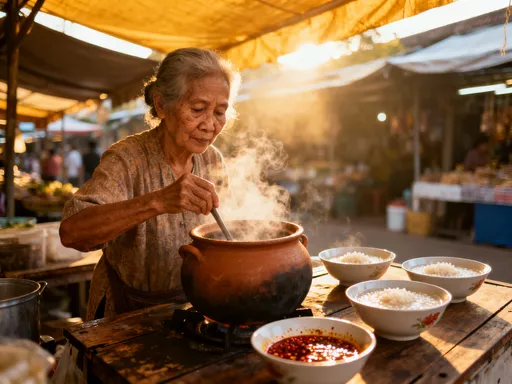
The city’s pedestrian-friendly layout encourages exploration. Vehicles are sparse in the old quarter, and many areas are entirely closed to traffic, preserving the integrity of its UNESCO World Heritage-listed center. As you walk, the sounds of daily life emerge—the rhythmic tapping of a coppersmith shaping a new bowl, the laughter of children darting through a courtyard, the crackle of flatbread baking in a traditional tandoor oven. These are not performances for tourists; they are the genuine, ongoing life of a city that has adapted without losing its soul.
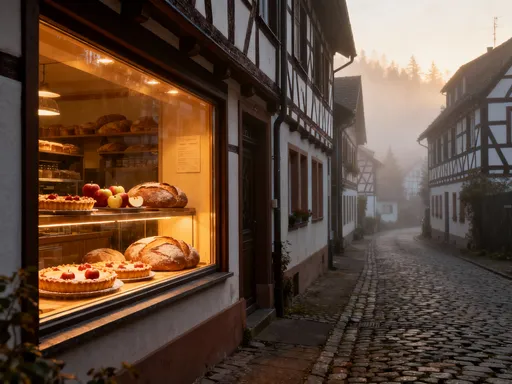
One of the most immediate pleasures is the aroma of non, the round, sesame-dotted flatbread baked fresh each morning in neighborhood tandirs. Bakeries are often small, unmarked doorways where men in white caps pull steaming loaves from clay ovens. Buying a warm piece and eating it as you walk becomes a ritual, connecting you to generations who have done the same. The tactile experience—warm bread in hand, rough stone underfoot, the sun on your shoulders—grounds you in the present while surrounding architecture whispers of the past.
The Heartbeat of the Old Town: Lyab-i Hauz
At the center of Bukhara’s old town lies Lyab-i Hauz, a serene rectangular pool surrounded by ancient mulberry trees whose broad canopies provide shade from the Central Asian sun. Once a vital source of water for travelers and residents, this reservoir has long outlived its utilitarian purpose and evolved into the city’s living room—a place of gathering, reflection, and quiet connection. Locals and visitors alike sit on low stone benches, sipping green tea from handleless cups, watching the water ripple under a breeze, or simply observing the unhurried flow of life around them.
Lyab-i Hauz is more than a scenic spot; it is a historical anchor. Built in the 17th century during the reign of the Ashtarkhanid dynasty, the pool was part of a larger urban water system that sustained Bukhara through droughts and population growth. Around it stand architectural gems: the Kukeldash Madrasah, once a theological school and later used as a fortress and even a warehouse, rises with imposing symmetry on one side. Across the water, the Nadir Divan-Beghi Madrasah and Khanaka display intricate tilework in cobalt, turquoise, and gold, their facades shimmering in the afternoon light.
What makes Lyab-i Hauz exceptional is how seamlessly history and daily life coexist. In the mornings, shopkeepers unlock wooden stalls selling dried fruits, spices, and handwoven textiles. Artisans set up small displays of suzani embroidery and ceramic bowls. Children run barefoot around the pool, their reflections dancing on the surface. In the evenings, the area comes alive with a softer energy—couples stroll arm in arm, elders debate in low voices, and musicians sometimes play traditional doira drums or tanbur lutes.
Walking around Lyab-i Hauz allows for a layered understanding of Bukhara. You can admire the precision of Islamic geometric design on a madrasah’s portal, then moments later, share a smile with a grandmother selling homemade jams from a cloth-covered tray. The proximity of grandeur and intimacy is striking. Unlike museum-like historic districts elsewhere, this is not a preserved relic—it is a lived-in space, where the past is not behind glass but part of everyday experience. For the walking traveler, this blend of beauty and authenticity is both rare and deeply moving.
Following the Minarets: Architectural Wonders on Foot
One of the most powerful ways to navigate Bukhara is by sightline—using its towering minarets as natural landmarks. The Kalyan Minaret, standing at nearly 48 meters, is the city’s most iconic structure, visible from many points in the old town. Built in the 12th century, it has survived earthquakes, invasions, and the passage of empires. Locals call it the “Tower of Death” due to its grim history of executions, but today it stands as a symbol of resilience and artistry, its spiral brickwork rising in elegant bands toward the sky.
Walking toward the Kalyan Minaret leads you to the Po-i-Kalyan complex, one of Central Asia’s most significant architectural ensembles. Here, the minaret shares space with the grand Kalyan Mosque and the Mir-i Arab Madrasah, forming a harmonious triad of worship, learning, and spiritual authority. Approaching on foot allows for a gradual revelation: first, the silhouette of the minaret against the sky, then the vast courtyard of the mosque unfolding as you pass through its arched portal. This sense of discovery is lost when arriving by vehicle; walking preserves the drama of architectural scale and surprise.
The Kalyan Mosque, capable of holding 10,000 worshippers, is a masterpiece of Islamic design. Its roof is supported by 288 domed cells, and its courtyard is paved with brick in intricate patterns. Though no longer used for daily prayers, it remains a place of reverence and quiet contemplation. Visitors often pause at its edges, removing shoes before stepping onto the cool tile near the mihrab, the prayer niche indicating the direction of Mecca. The Mir-i Arab Madrasah, still functioning as a religious school, hums with the voices of students reciting verses from the Quran, their chants blending with the rustle of pages and the occasional call to prayer.
For travelers, walking through this complex offers more than visual awe—it fosters a sense of reverence and scale that is difficult to convey in photographs. The textures of hand-laid brick, the play of light and shadow across vaulted ceilings, and the quiet dignity of those who study and maintain these spaces create a profound atmosphere. To experience it fully, visitors are advised to come early in the morning or late in the afternoon, when the sun casts long shadows and the crowds are thinner. Comfortable, closed-toe shoes are recommended, as the stone and brick surfaces can be uneven underfoot.
Hidden Courtyards and Craftsmanship
Beyond the major monuments, Bukhara’s true magic often lies in its quieter corners—residential alleys that branch off from main thoroughfares, leading to hidden hovlis, traditional Uzbek homes built around central courtyards. These private dwellings, many centuries old, feature carved wooden doors, grapevines climbing trellises, and fountains trickling in shaded corners. While not all are open to the public, some have been converted into guesthouses or craft studios, offering glimpses into a way of life that values privacy, hospitality, and artistry.
Walking through these neighborhoods reveals Bukhara’s enduring craftsmanship. In small, family-run workshops, artisans practice trades passed down through generations. In one alley, a potter shapes clay on a kick wheel, his hands moving with practiced ease. Nearby, a silk embroiderer works under natural light, her needle dancing across fabric to create the elaborate floral and geometric patterns of suzani textiles. In another corner, a coppersmith hammers intricate designs into a new bowl, each strike adding depth and detail.
These workshops are not staged for tourism; they are working spaces where visitors are welcome to observe, ask questions, and sometimes purchase directly. Many artisans speak limited English but are eager to share their craft, often gesturing proudly to completed pieces or inviting guests to try a simple stitch or hammer blow. This direct connection transforms souvenirs from mere objects into meaningful tokens of human skill and cultural continuity.
Respectful observation is key. Photographing artisans should be done with permission, and visitors should avoid interrupting work or touching materials without invitation. A simple smile, a nod, or a few words in Uzbek—such as rahmat, meaning “thank you”—can go a long way. These small courtesies reflect the deep cultural value placed on hospitality, or mehmondo'stlik, which holds that guests are a blessing from God. By walking slowly, looking closely, and engaging with kindness, travelers honor not just the art, but the people behind it.
Walking Rhythms: Pacing Your Exploration
Exploring Bukhara on foot is not just about distance—it’s about rhythm. The city rewards those who move with intention, allowing time for rest, reflection, and spontaneous discovery. A well-paced day of walking might begin at sunrise, when the streets are cool and nearly empty. Starting at the Ark Fortress, a massive citadel that served as the seat of Bukharan rulers for over a thousand years, offers a powerful introduction to the city’s scale and history. From its towering gates, the old town spreads out like a map waiting to be read.
By mid-morning, the sun climbs higher, and the pace shifts. This is the time to seek shade—perhaps in a traditional chaikhana, or tea house, where low tables and floor cushions invite relaxation. Sipping hot green tea with a plate of samsa, flaky pastries filled with spiced meat, provides both nourishment and a chance to observe daily life. These breaks are not diversions; they are essential to the walking experience, allowing the mind to absorb what the eyes have seen.
Afternoon walks can focus on quieter areas, such as the residential streets near the Magoki-Attori Mosque or the narrow lanes behind the trading domes. This is when light slants dramatically across brick walls, creating photographic opportunities and a sense of timelessness. As temperatures begin to drop in the late afternoon, the city regains energy. Locals return to the streets, shops reopen, and the golden hue of sunset bathes the minarets and domes in a warm glow.
An ideal closing route might lead to Chor Minor, a small but striking gatehouse with four distinctive blue-tiled domes. Though modest in size, it serves as a poetic endpoint—a quiet, contemplative space away from the main tourist paths. For those walking the full circuit, the sense of accomplishment is subtle but real: not measured in steps, but in moments of connection, beauty, and understanding.
Practical considerations enhance comfort. Lightweight, breathable clothing is recommended, along with a wide-brimmed hat and sunscreen. Staying hydrated is crucial, especially in summer months, so carrying a reusable water bottle is wise. Many guesthouses and cafes offer filtered water refills. Most importantly, let the city guide your pace. Open shop doors, the sound of a call to prayer, or a sudden patch of shade may signal the right moment to pause, breathe, and simply be present.
Beyond Monuments: Daily Life in Motion
Bukhara’s monuments are undeniably magnificent, but its soul lives in the everyday moments witnessed while walking. A vendor arranges pyramids of bright red sumac and golden turmeric in a market stall. Two elderly men sit cross-legged near a mosque, sipping tea and debating in hushed tones. A young student hurries through an arched gateway, books clutched to her chest, late for class at a madrasah. These scenes are not staged; they are the unscripted flow of life in a city that honors tradition while moving forward.
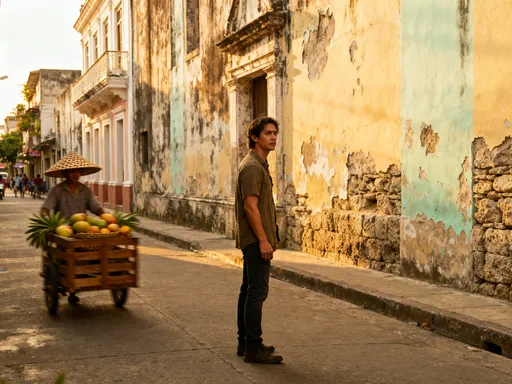
Walking allows for unplanned encounters—the kind that define meaningful travel. You might follow the sound of hammering to a tiny copper workshop, where the owner invites you in for tea. Or you might pause to watch a grandmother teaching her granddaughter how to roll dough for non, their hands moving in practiced harmony. These interactions, brief as they may be, create connections that linger long after the journey ends.
Compared to structured tours, self-guided walking fosters deeper immersion. Without a fixed itinerary, you can linger where something captures your attention—a pattern in the tilework, a cat napping in a sunlit doorway, the scent of roasting nuts from a street cart. You begin to notice rhythms: when shops open, when families gather for meals, when the call to prayer brings a moment of stillness to the streets.
These observations reveal Bukhara not as a museum, but as a living city. Its people are not performers; they are residents who go about their lives with dignity and warmth. By walking respectfully and openly, travelers become temporary participants in this life, welcomed not as spectators, but as guests. This quiet reciprocity—of space, time, and attention—is what makes pedestrian exploration so transformative.
Why Walking Transforms Travel
In an age of fast travel and instant gratification, walking through a city like Bukhara is an act of mindfulness. It slows perception, sharpens awareness, and deepens connection. Every step becomes a choice—to look, to listen, to engage. There are no screens between you and the world; no engines to drown out the sounds of life. You move at the speed of human experience, and in doing so, you begin to understand a place not through facts, but through feeling.
Walking also aligns with the principles of sustainable tourism. It leaves no carbon footprint, supports local economies through small purchases—bread, tea, crafts—and allows travelers to engage directly with communities. When you buy from a street vendor or stay in a family-run guesthouse, your presence contributes meaningfully to the local fabric.
But more than that, walking fosters respect. It requires humility—to navigate unfamiliar streets, to ask for directions, to accept that you are a guest in someone else’s world. In Bukhara, where hospitality is a cultural cornerstone, this attitude is met with generosity. Doors open, smiles are shared, and moments of connection emerge naturally.
Ultimately, walking is not just a way to see Bukhara—it is a way to honor it. The city reveals itself gradually, not in snapshots, but in layers. A shadow on a wall, the echo of a prayer, the warmth of bread in your hand—these are the fragments that form a deeper understanding. For the traveler willing to slow down, to trust their feet, and to move with curiosity and kindness, Bukhara offers not just a journey through space, but a journey through time, memory, and the enduring spirit of place.